

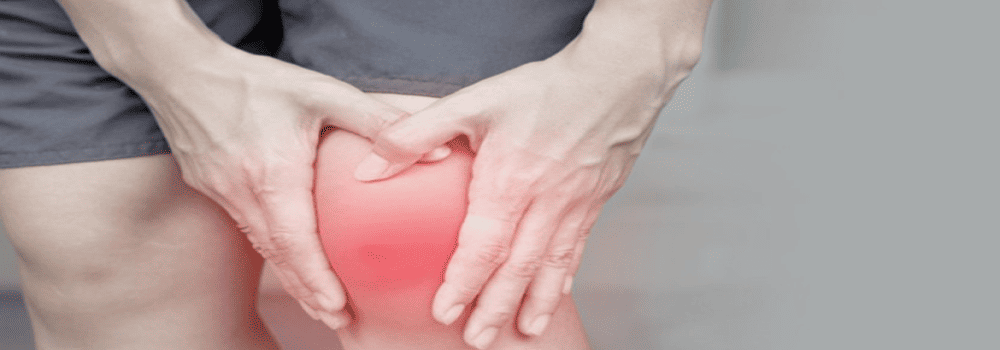
Arthritis joint pain can be debilitating, affecting millions worldwide. Understanding the best options for relieving this pain is crucial for improving quality of life. In this article, we explore various treatments, from medication and lifestyle changes to alternative therapies and emerging medical advancements.
01
Arthritis Overview
- Arthritis is a chronic condition characterized by inflammation of the joints, leading to pain, stiffness, and swelling. There are over 100 types of arthritis, with osteoarthritis and rheumatoid arthritis being the most common. Osteoarthritis results from wear and tear of the joint cartilage, while rheumatoid arthritis is an autoimmune disorder where the body’s immune system attacks the joints. Both types significantly impair mobility and daily function, necessitating effective pain management strategies.
02
Impact on Daily Life
- The impact of arthritis extends beyond physical discomfort. It can lead to decreased mobility, loss of independence, and a decline in overall quality of life. Chronic pain can also cause emotional and psychological distress, contributing to conditions such as depression and anxiety. Thus, managing arthritis pain effectively is not just about physical health but also mental and emotional well-being.
03
Medication: The First Line of Defense
- Over-the-Counter (OTC) Pain Relievers: For many individuals, OTC medications are the first step in managing arthritis pain. Nonsteroidal anti-inflammatory drugs (NSAIDs), such as ibuprofen and aspirin, help reduce inflammation and alleviate pain. Acetaminophen is another commonly used pain reliever, though it does not have anti-inflammatory properties. These medications can be effective for mild to moderate pain but may not suffice for severe cases.
- Prescription Medications: When OTC medications are insufficient, doctors may prescribe stronger medications. These include corticosteroids, which reduce inflammation quickly, and disease-modifying antirheumatic drugs (DMARDs) that slow the progression of rheumatoid arthritis. Biologic response modifiers, a newer class of DMARDs, target specific components of the immune system. While effective, these medications can have significant side effects and require careful monitoring.
04
Alternative and Complementary Therapies
- Acupuncture and Massage: Acupuncture, an ancient Chinese practice, involves inserting thin needles into specific points on the body. Many people find relief from arthritis pain through acupuncture, which is thought to stimulate the body’s natural painkillers. Massage therapy can also help by improving circulation, reducing muscle tension, and promoting relaxation.
- Herbal Supplements and Natural Remedies: Herbal supplements, such as turmeric, ginger, and glucosamine, are popular among those seeking natural pain relief. These supplements have anti-inflammatory properties and may help reduce pain and stiffness. However, it is essential to consult a healthcare provider before starting any new supplement, as they can interact with medications or have side effects.
05
Lifestyle Changes: Exercise and Physical Therapy
- Regular physical activity is crucial for managing arthritis pain. Exercise strengthens the muscles around the joints, improves flexibility, and reduces stiffness. Low-impact activities such as swimming, walking, and cycling are particularly beneficial. Physical therapy can provide tailored exercises and techniques to enhance joint function and alleviate pain.
Conclusion
Effectively managing arthritis joint pain requires a multifaceted approach. Medications, lifestyle changes, and alternative therapies all play a role in alleviating pain and improving quality of life. By exploring and combining these options, individuals with arthritis can find relief and maintain an active, fulfilling life.
Methods
Details
Arthritis Overview
Arthritis is a chronic condition characterized by inflammation of the joints, leading to pain, stiffness, and swelling.
Impact on Daily Life
It can lead to decreased mobility, loss of independence, and a decline in overall quality of life.
Medication: The First Line of Defense
Over-the-counter (OTC) Pain Relievers, Prescription Medications.
Alternative and Complementary Therapies
Acupuncture and Massage, Herbal Supplements and Natural Remedies.
Exercise and Physical Therapy
Exercise strengthens the muscles around the joints, improves flexibility, and reduces stiffness.
Conclusion
Medications, lifestyle changes, and alternative therapies all play a role in alleviating pain and improving quality of life.
What Are the Essential Travel Tools for the Elderly?
With regards to travel, the old have one of a kind necessities and contemplations that require the utilization of particular devices and equipment to guarantee a protected, agreeable, and pleasant experience. Here is an introduction to the fundamental travel devices for the older.
Is It Necessary to Apply for a Credit Card?
Credit cards have turned into a fundamental monetary device in this day and age, offering comfort and adaptability in managing individual finances. Nonetheless, the choice to apply for a credit card ought not be messed with. It is indispensable to comprehend the benefits and disservices related with charge card possession prior to pursuing a choice. This article will investigate the two sides to assist you with deciding if applying for a credit card is important for your monetary prosperity.